
Your Ultimate International Travel Checklist
Getting your stuff together before a trip abroad? It’s tough to keep track of every little thing on your mind. Whether this marks your first journey overseas or just one more in a long series, these notes aim to help. Starting fresh each time makes it easier to spot what matters. Some details slip through even when you’ve done it all before. The checklist works for newcomers plus those with stamps already filling their passport pages. Things pop up that nobody plans for – having a guide helps anyway. Not every step feels obvious, especially under last-minute pressure. Even seasoned travellers sometimes blank on basics.

Data Roaming Charges
Packing for a journey abroad isn’t just reserving seats on a plane or picking a place to sleep. Before anything else, gather every paper required to cross borders – without those, nothing moves forward. Fit each item into your suitcase like parts of a puzzle; space matters more than most think. Hidden charges pop up if cash steps across borders unprepared, catching travellers off guard. Swap out bills ahead of time so foreign machines accept them without surprise costs appearing later.
Start by sorting through your documents with care. Bags? Fill them thoughtfully, item after item. Cash should sit handy but safe. Health rules matter once you arrive – pay attention to those details early. Devices like phones work differently there, so check how they connect first.
Baggage Fees
Essential Papers You Must Have
Your Passport
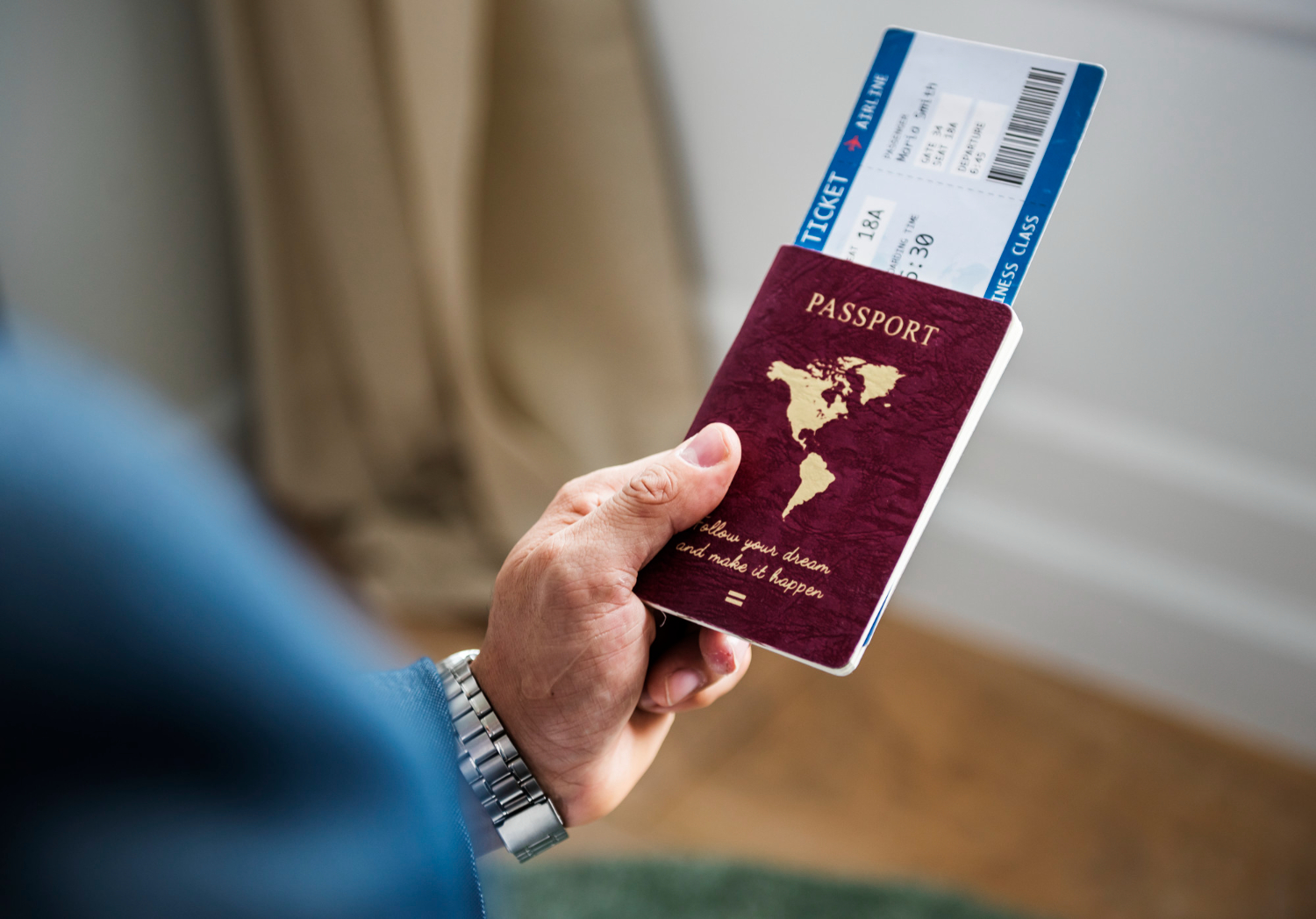
Your journey abroad starts with a passport, but simply holding one does not guarantee entry. Validity matters – many nations demand it stays active for half a year beyond departure. Countries such as Thailand enforce tight rules without warning. Indonesia follows similar steps when checking arrival papers. Falling short on time means being turned away at the border. Time left counts more than most expect.
See how long your passport is still valid. When the date gets close and trips abroad are on your mind, start thinking about a new one. Getting it done might stretch across six or even eight weeks, though spending more could speed things up. Travel season sometimes means waiting longer than expected.
Five years is how long a child’s passport lasts. Adults get ten. When planning travel, check your children’s expiry dates first. Trips have been called off when parents forget this detail.
Should your passport start filling up, a fresh one might be necessary. Several nations insist on having either two or four empty pages ready for stamps

Currency Exchange Fees
Visa Applications
Getting into certain nations might mean sorting out a visa first. Depending on where you’re from and where you’re headed, the rules change. One nation might let you through without paperwork. Another could insist on an approved application ahead of arrival.
Three months out from your trip, begin checking what steps are needed for a visa. Head straight to the official site of the destination country – that’s where details live. Rules shift now and then, which means fresh updates matter most.
Getting into places such as China, India, or Russia means sorting out a visa ahead of time. One trip might take seven days; another could stretch past a month. Online forms work for certain nations. For others, showing up at an embassy is the only way through. Arriving without checking first risks being turned away.
Fees apply for visas, anywhere between twenty-five and two hundred dollars each. Travelling across several nations might require permission for repeated entries and exits. Sometimes, passing through borders more than once shapes how much you pay.
Tourist Traps
Travel Insurance
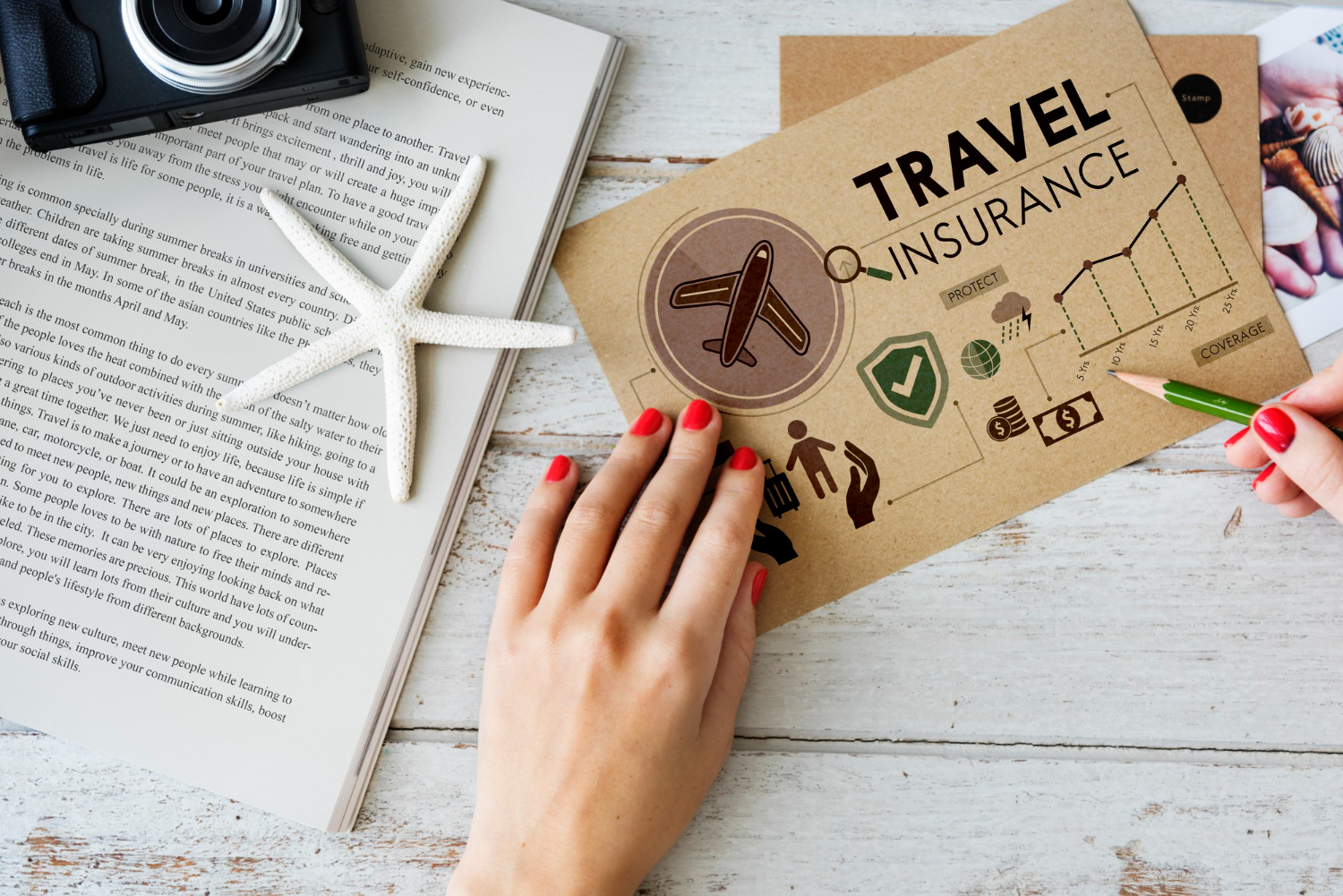
Travel worries? Medical trouble overseas could empty your wallet fast. Picture being far from home, suddenly facing big hospital bills. Regular coverage back home might not follow you across borders. Unexpected illness doesn’t wait – protection helps when surprises strike. Care abroad often means high prices without support. A plan made for trips can shield savings if mishaps occur.
Most folks overlook how travel insurance covers sudden medical expenses, trip cancellations, missing luggage, or planes stuck on tarmac. A basic policy runs between fifty and one hundred dollars flat. Meanwhile, broader protection climbs to five up to ten per cent of what you spent overall travelling.
Check your policy before hitting the slopes or trail. Not every plan includes winter sports or mountain climbs. When adventure is on the list, confirm it’s also in the fine print.
Spending plenty of time on the move might make yearly coverage worth considering. One single plan could cost less than several separate ones bought for every journey.

Unexpected Transportation Costs
Emergency Contact Information
Start by writing down the names of folks who can help if something goes wrong. Your relatives come first on that sheet of paper. Next up, find the office that represents your home nation where you’re staying. Include the phone number for the place where you keep your money. Finish it off with the group that covers your health or travel risks.
Finding space for this data could mean tapping your phone’s notes or slipping it into an old email draft. Stash a copy inside your wallet, too – plain paper works fine. Another spot might be up online, floating in some account you barely check.
Folks often miss how useful it is to join a travel registry run by their government. Should trouble hit while abroad, officials already know where to reach you.
Holding duplicates of every paper – passport, visa, everything – makes sense. Stored somewhere online, they stay reachable. Send them to someone reliable by email. Losing originals on a trip? Those backups turn useful. Files sitting safe could fix a mess later.